

MA Theology
An in-depth summary of the faith through classes on Sacred Scripture, Christian doctrine, and the Church’s mission.
12 Courses36 Credits
On campus or online
To study theology is to set our sights on God, with all of our hearts and minds, so that by knowing him we may better love him and our neighbor.
Nova et vetera
That is the whole disposition of this school. The tradition is not a museum to be guarded and it is not raw material to be improved upon. It is a treasury, and the work is knowing it well enough to bring the right thing out of it at the right moment.
Every student receives an education that is immersed in Scripture and Catholic teaching. Full-time or part-time, on campus in St. Louis or by distance education.
An in-depth summary of the faith through classes on Sacred Scripture, Christian doctrine, and the Church’s mission.
12 Courses36 Credits
On campus or online
Equips parish and diocesan leaders to apply the truths of the faith practically to the work of the salvation of souls.
12 Courses36 Credits
On campus or online
Provides current and aspiring Catholic school educators of any subject matter with a theological foundation and a study of the heritage of Catholic education.
12 Courses36 Credits
On campus or online
Offers advanced training in biblical languages, the tools of contemporary scholarship, and Catholic interpretive principles.
16 Courses48 Credits
On campus only
What you study
All courses are three credit hours. MA Theology, MA Pastoral Theology and MA Catholic Education are twelve courses — thirty-six credit hours — and begin with a Common Foundation in Scripture and Catholic teaching. MA Biblical Studies is sixteen courses, forty-eight credit hours. Full-time or part-time. There are no 0–1 credit seminar charges.
Where everyone begins
The Common Foundation is shared by three of the four degrees — MA Theology, MA Pastoral Theology and MA Catholic Education. MA Biblical Studies sits outside it: sixteen courses rather than twelve, on campus only, and built to prepare students for further academic study. It is the most competitive of the four.
Who teaches you

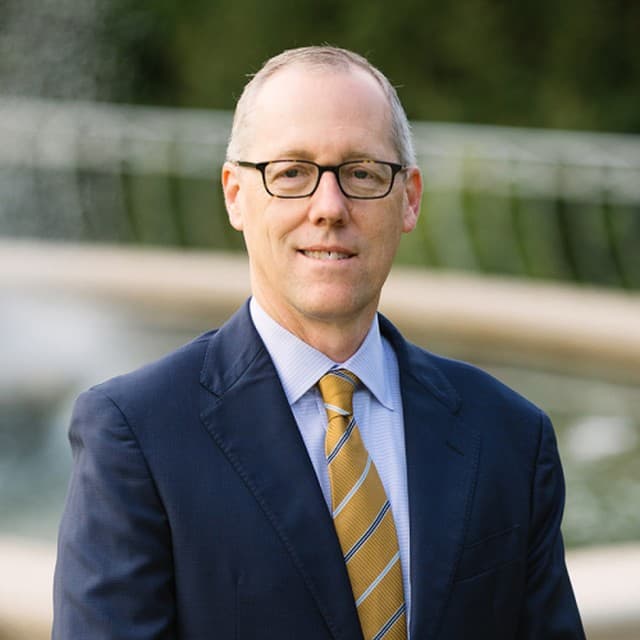
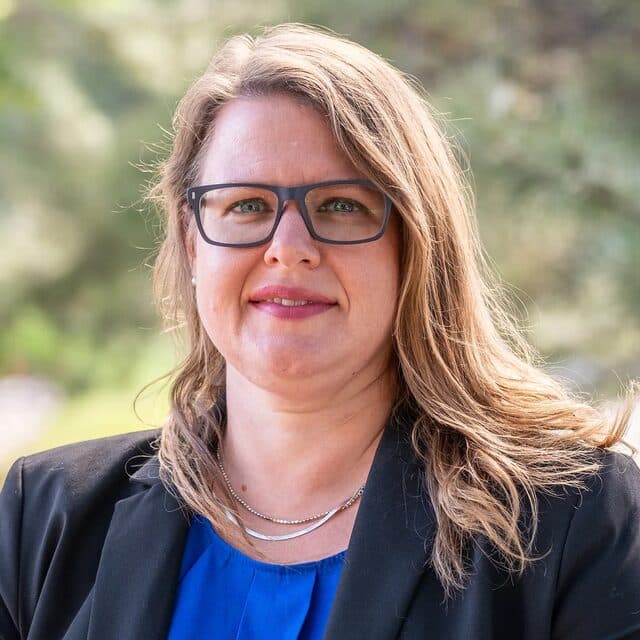
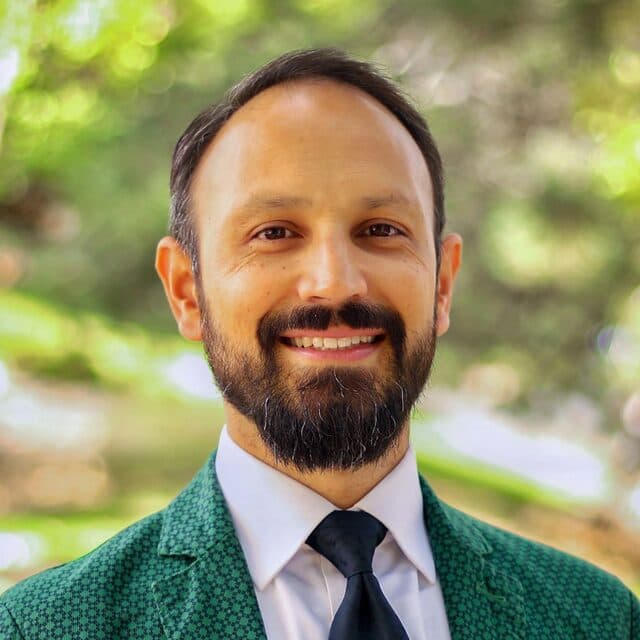
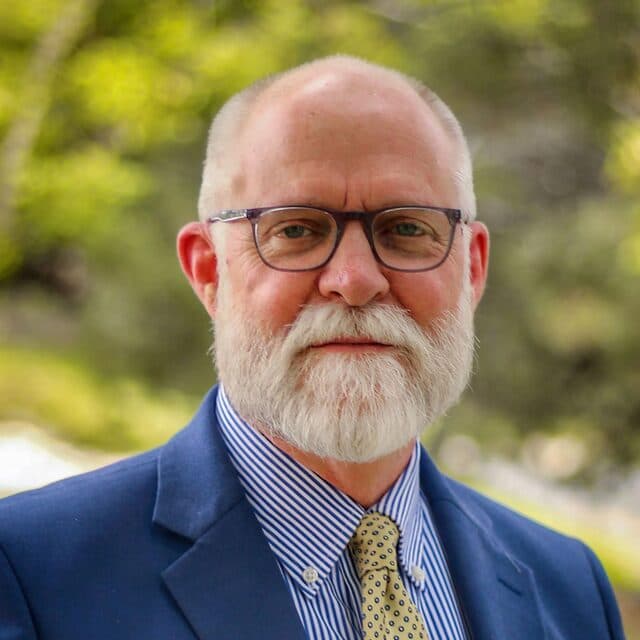

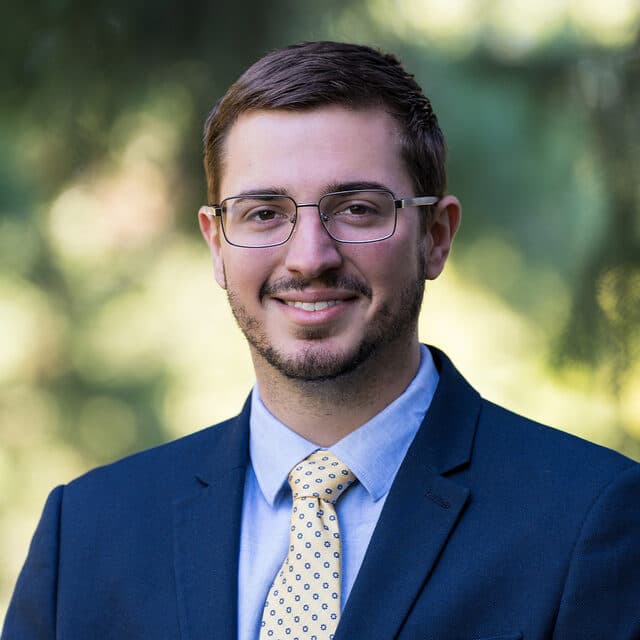
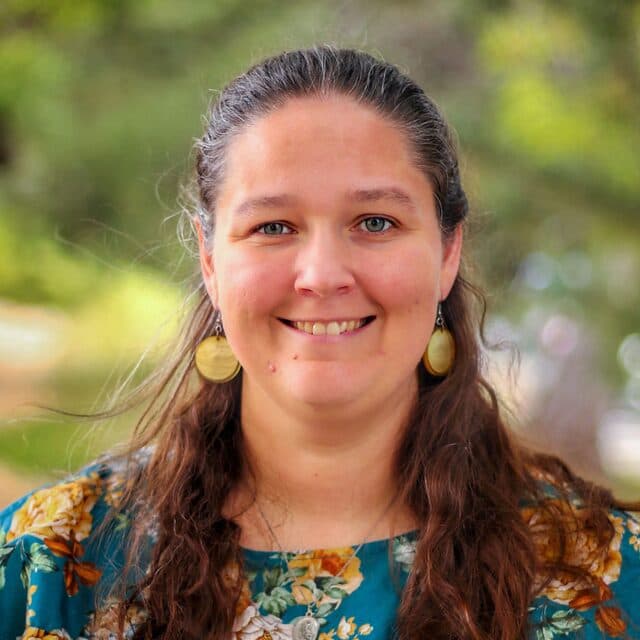
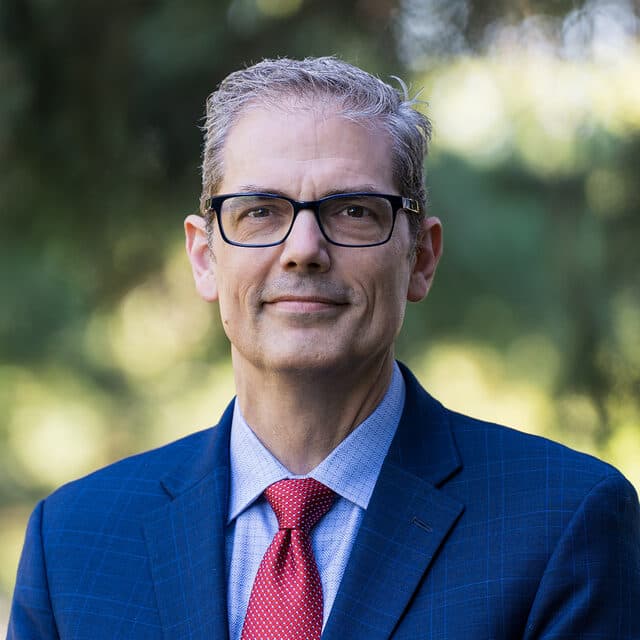
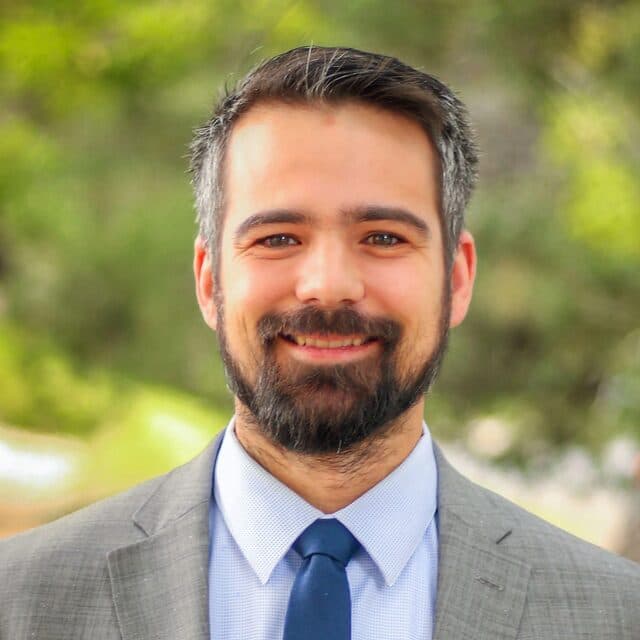
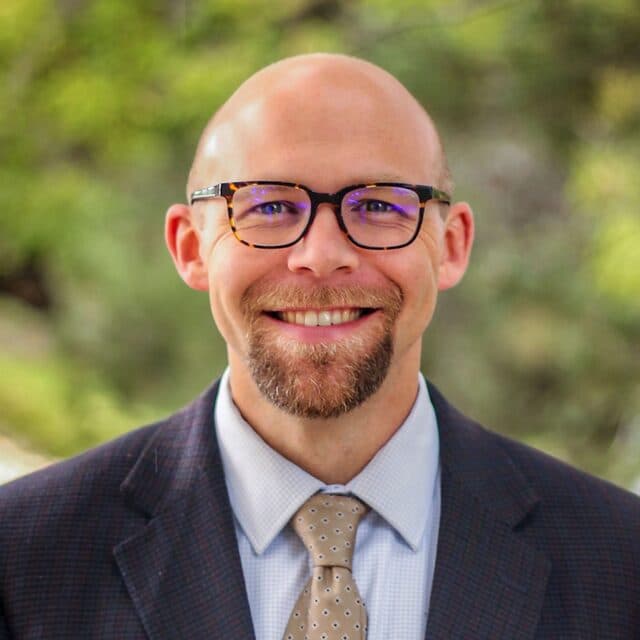
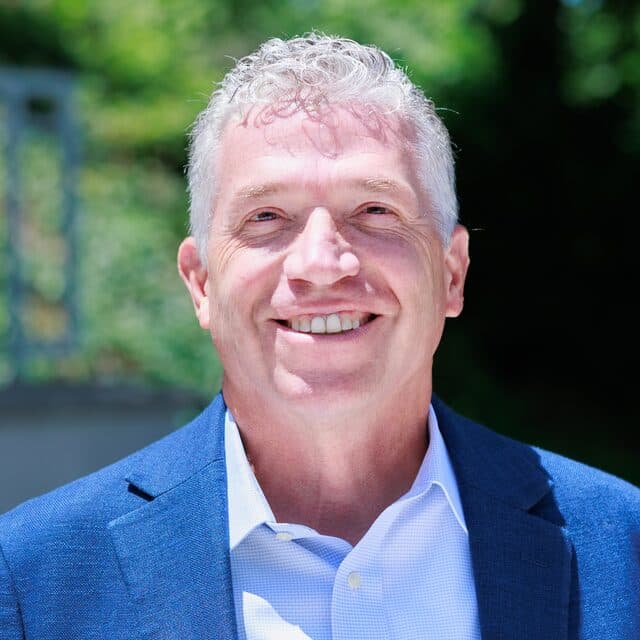
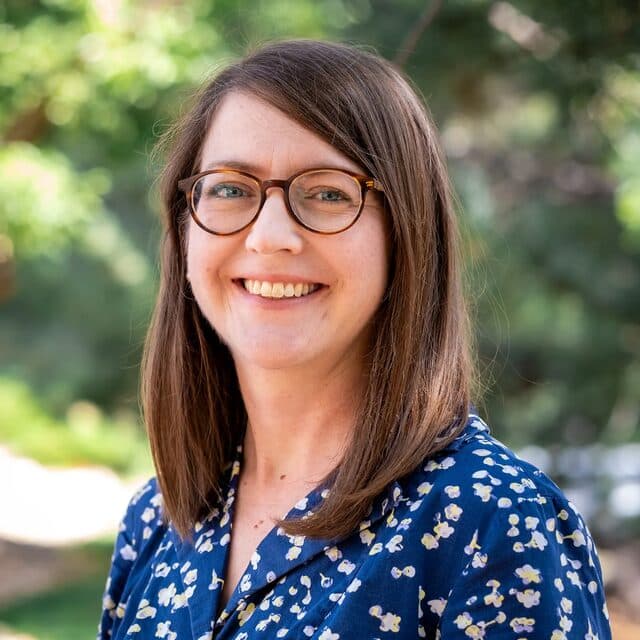
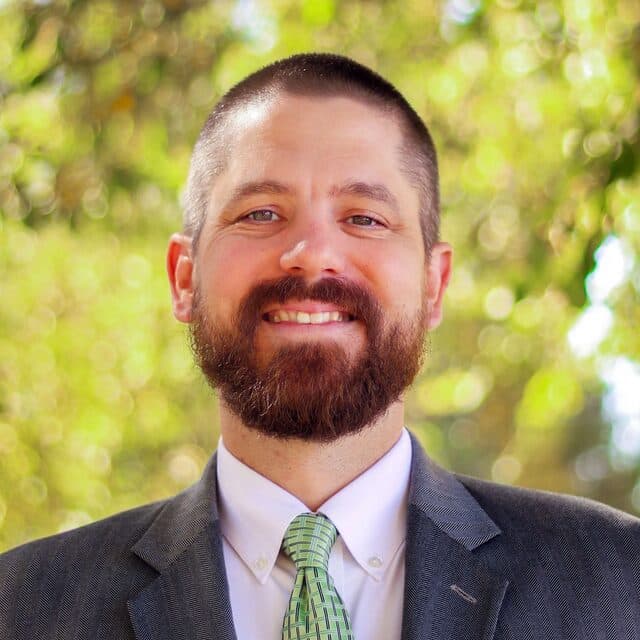
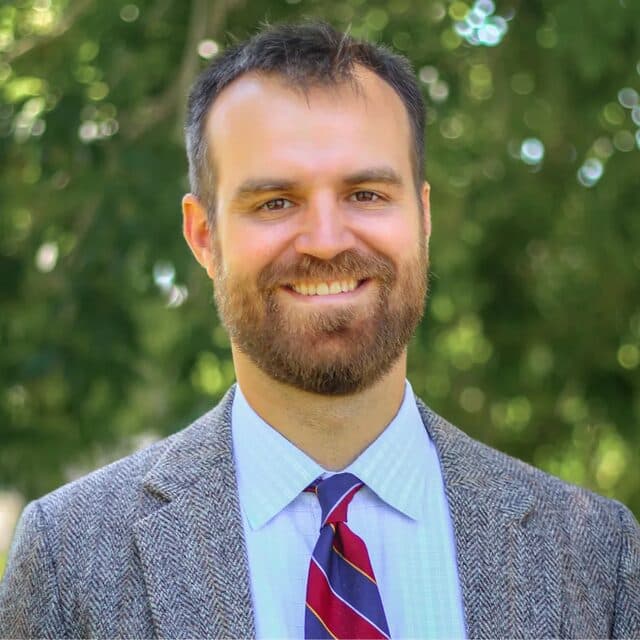
The members of the Graduate School strive to be such a Christian community of teaching and learning. The form that this commitment takes begins with the faculty’s collegiality as brothers and sisters in Christ who together seek to love the Lord with all their minds (Matt. 22:37), growing in wisdom and holiness through study, conversation, and disciplined reflection.
The faculty receive a Mandatum from the Archbishop of St. Louis, make the Profession of Faith, and take the Oath of Fidelity. As disciples in the life of faith, their teaching and scholarly work are ordered toward the life of charity. Through their witness and teaching, our faculty invite students to pursue this life of discipleship with Christ.
St. Paul once reminded the believers at Thessalonica that he and his coworkers came to offer “not only the gospel of God but also our own selves” (1 Thess. 2:8). Teaching, mentoring, and responding to students’ work are tasks central to the work of the faculty. Whether or not you are on campus or distance, you will be in direct communication with the professors in the classroom.
What others say about it
“Forming future leaders today is one of the most pressing tasks we now face, and no one in this country does it with more energy, depth, and skill than the Augustine Institute.”
“The Augustine Institute continues to grow as a center for theological formation and as a hub for academic theological research, especially in patristics and Scripture. For scholars and students alike, the Augustine Institute is today recognized as standing among the very best institutions of faithful Catholic theological education.”
“Graduates of the Augustine Institute are so well formed that they are always among the first candidates of consideration for any new instructor positions that I've ever had.”
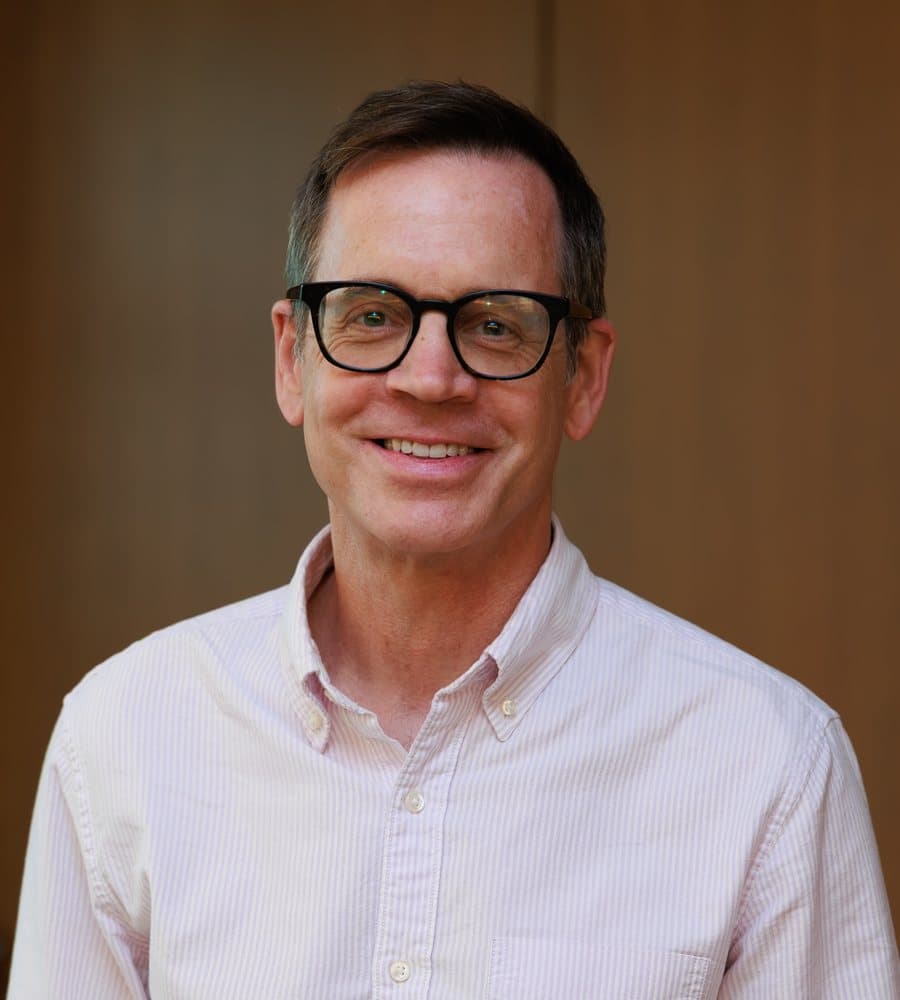
I was pleasantly surprised by the level of academic rigor and even more pleasantly surprised by the generosity of the professors. Not only have they been, to a person, excellent in communicating the complex material, but they have been generous with their time in answering specific questions I’ve had, offering advice and guidance on parish projects, all the while encouraging me to go “further up and further in.”
David Burke
Current Student
How you study
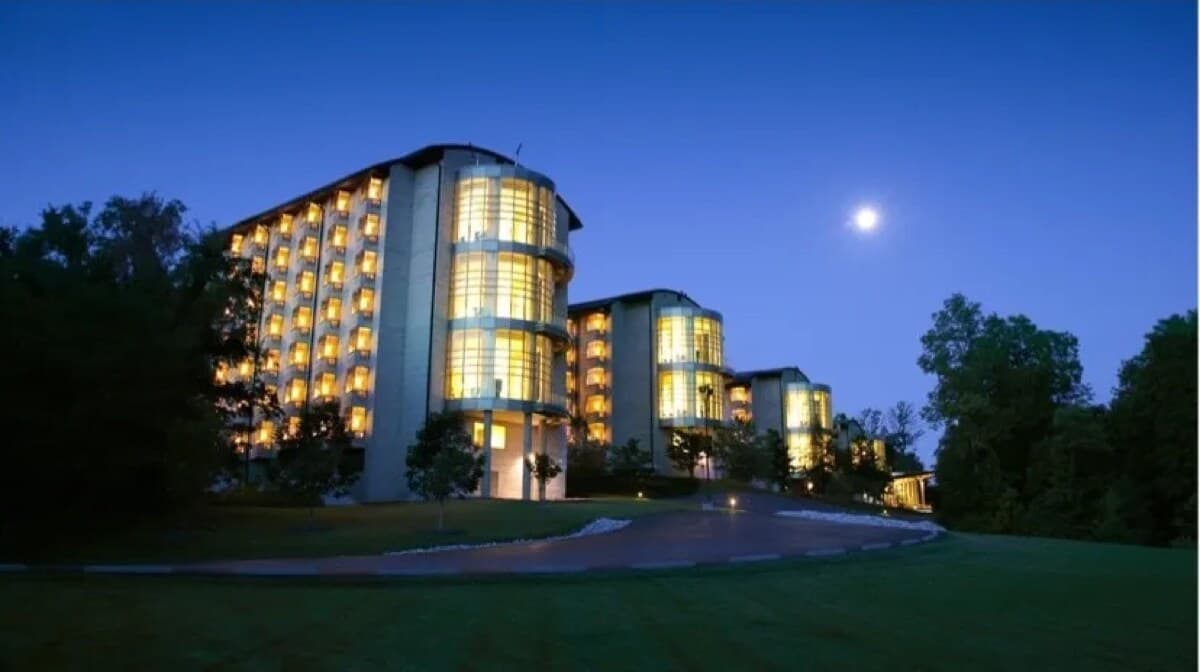
A new campus, and a life lived on it. Residential towers with private baths and one student per room. Three meals a day, seven days a week. Daily life alongside the people you study with and the faculty who teach you — with spiritual formation, access to the sacraments, and a common pursuit of holiness.

The same faculty, the same curriculum, the same degree — taken from where your work and your family already are. Asynchronous lectures to watch on your own time, with regular live seminar discussions. Broadcast-quality lectures filmed in a studio classroom, so it feels like you are sitting in the back of the room. And when you want to be here, intensive courses are taught on the new campus.
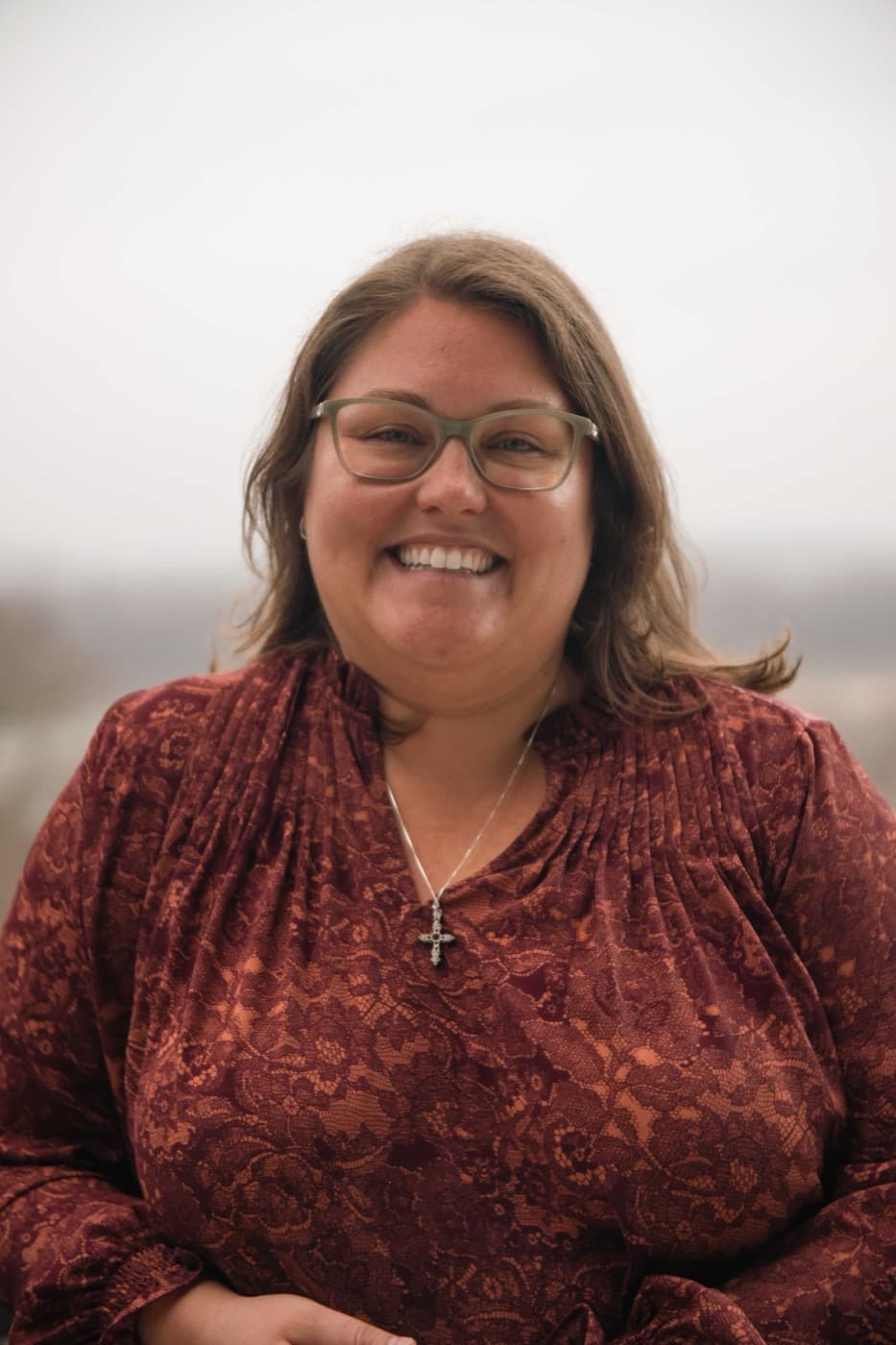
As a distance student, these seminars have been essential in helping me feel connected and truly a part of a graduate school community. The strong sense of community fostered within the program is what truly sets the Augustine Institute apart for me.
Amanda Palaka
Current Student
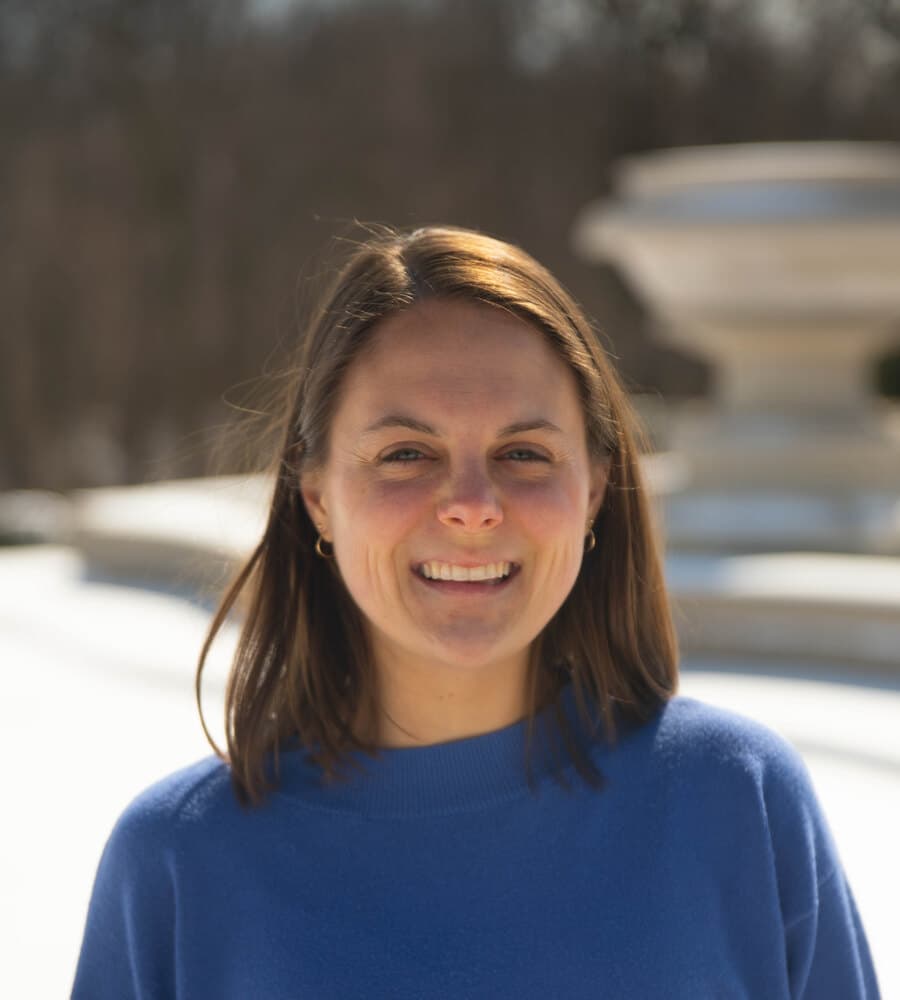
I have been so blessed to be a part of the beautiful on-campus community, which has filled my life with great friendships and daily fellowship as we all strive to follow Christ! After graduating, I hope to serve as a high school theology teacher to help teens fall in love with the Faith and with the person of Jesus Christ.
Gabrielle Burnham
Class of ’26